K-Tape Law Suit

At first glance, Kinesiology Tape might appear as an interesting method of decreasing musculoskeletal pain or enhancing performance, especially for athletes willing to do anything to boost their performance.  Studies indicate*, however, that this special type of tape may result in performance benefits purely as a result of the placebo effect.  Nothing wrong with that right?

The issue is the false/unwarranted claims made by K-Tape, one of the larger manufacturers of kinesiology tape.  K-Tape claims that its product treats 16 specific injuries including carpal tunnel, runner’s knee, tennis elbow, plantar fasciitis, achilles tendonitis, ankle sprains, and shin splints… despite there being no scientific evidence to support this.

K-Tape Class Action Law Suit

Quoted from the lawsuit: “This case pertains to the false representations by KT Health which have been made in a concerted and orchestrated effort to prey on consumers’ eternal hope that products exist that can quickly and effortlessly alleviate their pain.” and “KT Health has used deceptive claims regarding the purported benefits of KT tape to charge a premium approximately ten times the price of traditional athletic tape, and has achieved massive sales of KT Tape as a result.”

Sure, at the end of the day, no one really gets hurt when a company or person makes claims like this.  The consumer loses $.  No significant damage done.  However, the company/person must be willing to face the music when the time comes.

*One good example highlighting this: A study in which isokinetic (strength) testing under three taping conditions was performed, using: true facilitative kinesiology tape, sham tape, and no tape.  Participants were blinded, i.e. did not know which tape they were receiving.  There were no differences in their peak torque, total work, or time to peak torque.

Just use normal tape!
Mindfulness + Movement + “Badali Therapy” (My cousin)

A few weeks ago, I connected with a cousin of mine, Paul Badali, who is a registered Social Worker providing Psychotherapy Services in Toronto (website: badalitherapy.com).  He has been working in mental health services for close to two decades.  Paul employs a program he calls “Taming the Bull”, and has experience working with patients with:

  • Self-regulation difficulties (self-control)
  • Stress, Anxiety and Depression
  • Anger, Mood and low Motivation
  • ADHD and Learning Disabilities (LD)
  • High functioning ASD (Aspergers)
  • Other mental health-related issues

Besides all this, Paul has extensive martial arts experience, and is a Brazilian Jujitsu black-belt – if you’re not in the BJJ loop, it would be impossible for me to describe how impressive this is  (I am merely a white belt).

Paul has discovered that integrating mindfulness, exercise, and psychotherapy was very effective and beneficial to the therapeutic process.  (In layterms, he started incorporating exercise into his psychotherapy sessions, and found that this improved the psychotherapy results!).

It’s a topic that I am quite interested in.  The following paper Mindful movement: clinical and research implications discusses the neurophysiological and neuropsychological aspects of mindfulness training and movement (i.e., why doing things, as mentioned in the paper, like yoga and tai chi can have these neuro(brain)/mood-altering effects).  I’m left wondering, however, if other activities like dance, Jujitsu, and perhaps even table-tennis or golf can have these pro-neuro effects.  Perhaps any sport/physical-activity in which one has developed enough expertise and finds oneself in that state of “flow” or “in the zone” can offer such an effect.  That’s my hypothesis…

How Stress Affects Your Body

Colin Badali - TED

Fantastic video @TED – Video

Stress is more than just an emotion.  It’s a hardwired physical response.  In the short-term, stress can be advantageous. However, prolonged stress can be damaging to our bodies.

Science has suggested that prolonged elevated cortisol is implicated in atherosclerosis, aka cholesterol buildup in the lining of our arteries.  The video also cites the “brain-gut connection”, which can lead to irritable bowel syndrome.  This might affect digestion, gut bacteria (which can affect overall health – alot of research going into this subject by the way).  High levels of cortisol can also lead to the development of deep or visceral fat.

Chronic stress is also associated with shortened telomeres, which essentially translates to accelerated aging.  Chronic stress can manifest itself in: acne, hair loss, sexual dysfunction, headaches, muscle tension, fatigue, and irritability.  For my readers, I’d like to emphasize that stress is not the only thing that contributes to all of the factors mentioned so far.  For example, atherosclerosis is absolutely linked to diet + exercise as well.

Conclusion: Stress in inevitable.  Bottom line, perhaps, as suggested at the end of the video, is how we respond to stress that counts.  Perhaps finding adequate coping strategies (exercise, yoga, warm bath, massage therapy etc.) is the key.

Colin Badali, RMT, CSCS

My Alzheimer/Dementia+Exercise Presentation

On October 17th, I was lucky to be a part of AlzheimerSociety Toronto’s annual “A Changing Melody Forum” – a day of sharing and learning for people with dementia, families, friends, and professionals.  It was my second year at the event, with my role being to deliver a talk in which I presented the existing research on exercise and brain health.  Towards the end of the talk, I also facilitated a mini-workout consisting of simple mobility-type movements.  It wasn’t quite like a 90min game of Ultimate, or doing CrossFit’s “Fran” in 5 minutes, but it got some blood flowing.

The following are some point-form notes from my presentation that I elaborated on at the forum:

  1. Did you know that only a third of cognitive and physical aging can be attributed to genetics (the other two thirds being strongly linked to exercise, nutrition, mental stimulation, and stress management)?  The most compelling scientific evidence is with relation to exercise.  It would seem like all we need is any movement that gets blood flowing, i.e. your heart pumping oxygen and nutrients to your brain cells.  Your body will actually release BDNF, a protein which stimulates your neurons to grow connections and communicate more effectively, in response to this type of exercise! This info. via Dr. Gary Small, a professor of psychiatry and director of the UCLA Longevity Center.
  2. Walking may be sufficient!
  3. Experiment on rats (sidenote, rats will actually voluntarily go on treadmill, they enjoy it) – Cotman et al. – voluntary running in rats increased marker for BDNF by 20%, which was associated with better memory in same rats.
  4. Middleton et al 2010, -even those starting p.a late in life (50’s and 60’s) show less cognitive decline and lower chances of Alz
  5. Sofi et al. (2011) – over 33,000 subjects followed up to 12 years.  High level of activity – 38% reduced risk of cognitive decline!
  6. Whitmer and Yaffe – obesity leads to 3-fold increase in chances of getting Alz…

Endogenous Opioids

Here are some interesting statements:

  1. Endogenous opioids are the naturally-occurring peptides found in our bodies that are responsible for mediating pain.
  2. Massage Therapy leads to an increase in circulating endogenous opioids, including endorphins, enkephalins and dynorphins.

Factors that assist in Neurogenesis (new nerve cells in your brain)

I’ve summarized the pro-neurogenesis and anti-neurogenesis factors found within Sandrine Thuret’s work (PhD Neural Stem Cell Researcher).  Thuret studies adult neurogenesis; the process by which adult brains create new nerve cells. Neurogenesis, or lack thereof, is implicated in depression, dementia, memory, etc.

This blog entry is not meant as an offering of professional advice, but as containing some potentially very valuable information pertaining to the health of one’s brain.  Please take it with a grain of salt (but not a grain of sugar).

More information pertaining to each of these factors is presented in an easy-to-read “5 Minute Book”.  If interested, simply go to the “5 Minute Book” section above, or request a free copy by emailing me at colinbadali@gmail.com

Pro-Neurogenesis

  1. Learning
  2. Intimacy
  3. Running/Exercise
  4. Blueberries
  5. Resveratrol
  6. Omega-3 Fatty Acids
  7. Calorie Restriction
  8. Flavanoids
  9. Intermittent Fasting
  10. Folic Acid
  11. Zinc
  12. Curcumin
  13. Caffeine

Anti-Neurogenesis

  1. Aging
  2. Stress
  3. Sleep Deprivation
  4. Vitamin E Deficiency
  5. High Sugar
  6. High Saturated Fat
  7. Vitamin B Deficiency
  8. Soft Diet
  9. Vitamin A Deficiency
  10. Ethanol (Alcohol Consumption)

Keep it Simple – Knee Mechanics and TNTI (The Need to Impress)

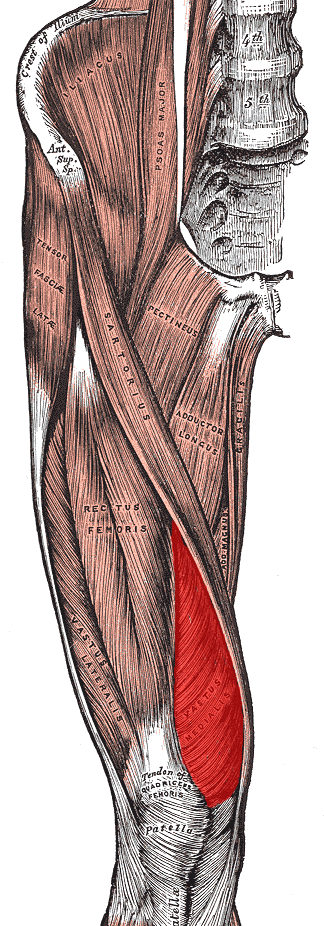
Quadriceps - Colin Badali  I have once again crossed a bit of Paul Ingraham’s work that resonates with thoughts I’ve had for many years.  You can’t isolate the vastus medialis obliquus (the medial head of the quadriceps group – the quads being the big group of muscles at the front of your upper leg).  Hold on, there’s a greater overarching theme for my readers who might not care about such a specific topic.

Therapists of all sorts, especially physiotherapists, RMTs, fitness trainers, just love to prescribe exercises designed to isolate the vastus medialis obliquus (VMO) portion of the quadriceps group, for things like PFS or patellofemoral syndrome. The theory is that the VMO is oftentimes weaker than the vastus lateralis (the outside head of the quad group), and this causes tracking issues or issues with the position of your patella/kneecap.  For my therapist-readers, as mentioned in Ingraham’s e-book on the topic, Peeler et al. found “no significant correlation between any of VM insertion length, VM fiber angle, limb alignment, and patellofemoral joint dysfunction location and severity [of pain]”  Truth be told, these exercises (which would include squeezing a ball between your legs while you are extending/straightening your legs while sitting on the edge of a table), don’t actually isolate the VMO.  They still might help you improve, via strengthening the knee as a whole!  But the point is, you’re better off simply performing exercises designed to strengthen the knee.  No need to be fancy.

Greater themes here:

  1. Keep it simple – it is easy to impress clients by saying you’re going to strengthen the VMO in order to fix a tracking issue of the patella which should help mediate knee pain (when really, general strengthening is all that is required). Well, on second thought, I guess you can do that, and perhaps the client will be impressed.  However, one must be prepared to face the music when criticism/doubts surface (either from the client him(her)self, or from some other health professional they are seeing).
  2. Don’t be afraid to question (as a client or a therapist): I remember being taught these exercises in 2009, by physiotherapists at a clinic, while working as a kinesiologist.  I had my doubts of course, but as a recent uni-grad, you’re expected to simply do as you’re told.  You should question things, within reason though!

Full PainScience article – here

Colin Badali, RMT, CSCS

Knee Surgery – Placebo?

New England Journal of Medicine - Colin Badali   PubMed - Colin Badali   Cochrane - Colin Badali

Perhaps one of the most astounding examples of the placebo effect was demonstrated in a relatively famous study – “Moseley JB, O’Malley K, Petersen NJ.  A controlled trial of arthroscopic surgery for osteoarthritis of the knee. N Engl J Med. 2002″.  In this remarkable study, patients with osteoarthritis in the knee improved the same amount regardless of whether they received fake surgery, or real surgery.  “In this controlled trial involving patients with osteoarthritis in the knee, the outcomes after arthroscopic lavage or arthroscopic debridement were no better than those after a placebo procedure”.  Not only was this study published in a prestigious journal, but the results have been fully supported by a Cochrane Collaboration review (a gold standard in research review – if you’re ever seeking to fact-check a particular treatment/modality, just Google it, for ex. “cochrane review ultrasound for low-back pain” or “cochrane review acupuncture for depression”.  This might be a better way to find out about the legitimacy of a modality, rather than peruse through hundreds of studies on PubMed, which are of varying quality and relevance.

The placebo effect is an incredibly important concept in medicine.  It may be hard to believe, but it involves real and proven neurobiological mechanisms of action, when it comes to pain relief, immunosuppression, Parkinson’s disease and depression.  Brain imaging techniques have shown that placebo can have a measurable effect on physiological changes in the brain.  Changes like heart rate, blood pressure, chemical activity in the brain – in cases involving pain, depression, anxiety, fatigue, and certain Parkinson’s symptoms.

The placebo effect is part of the response to any active medical intervention or therapy.

The placebo effect indicates the enormous importance of perception and the brain’s role in physical health.  The use of placebos, however, is very controversial in medicine, as it involves the issue of practitioner-patient deception.  The placebo response may be partly due to an alteration of hormones, endocannabinoids, endogenous opioids, expectancy effects, amongst other factors.

The placebo relates very much to a patient’s expectations.  Much like the “nocebo” effect, which can lead to negative effects if a patients expects a harmful outcome, the placebo can lead to positive results if the patients expects them.

In other words, placebo effects, it is hypothesized, are produced by the self-fulfilling effects of response expectancies, in which thinking that one will feel different will lead to a patient feeling different.  According to this theory, the belief that one has received treatment can produce the effects of a real treatment.  Placebo can mimic classical conditioning, in which a placebo and an actual stimulus are used at the same time, until the placebo is associated with the effect of the actual stimulus.  Both conditioning and expectations play a role in the placebo effect – clients who think a treatment will work display a stronger placebo effect than those that don’t, as seen in certain acupuncture studies.  The mechanism behind many other therapies could be similar.

Of interest: Studies have been done demonstrating that people given sham ergogenic aids (fake sport-enhancing drugs), display improved endurance, speed, and strength.

Colin Badali, RMT, CSCS

Aristotle and Exercise – S.A.I.D.

Aristotle - Colin Badali   Wayne Gretzky - Colin Badali   Outliers - Colin Badali

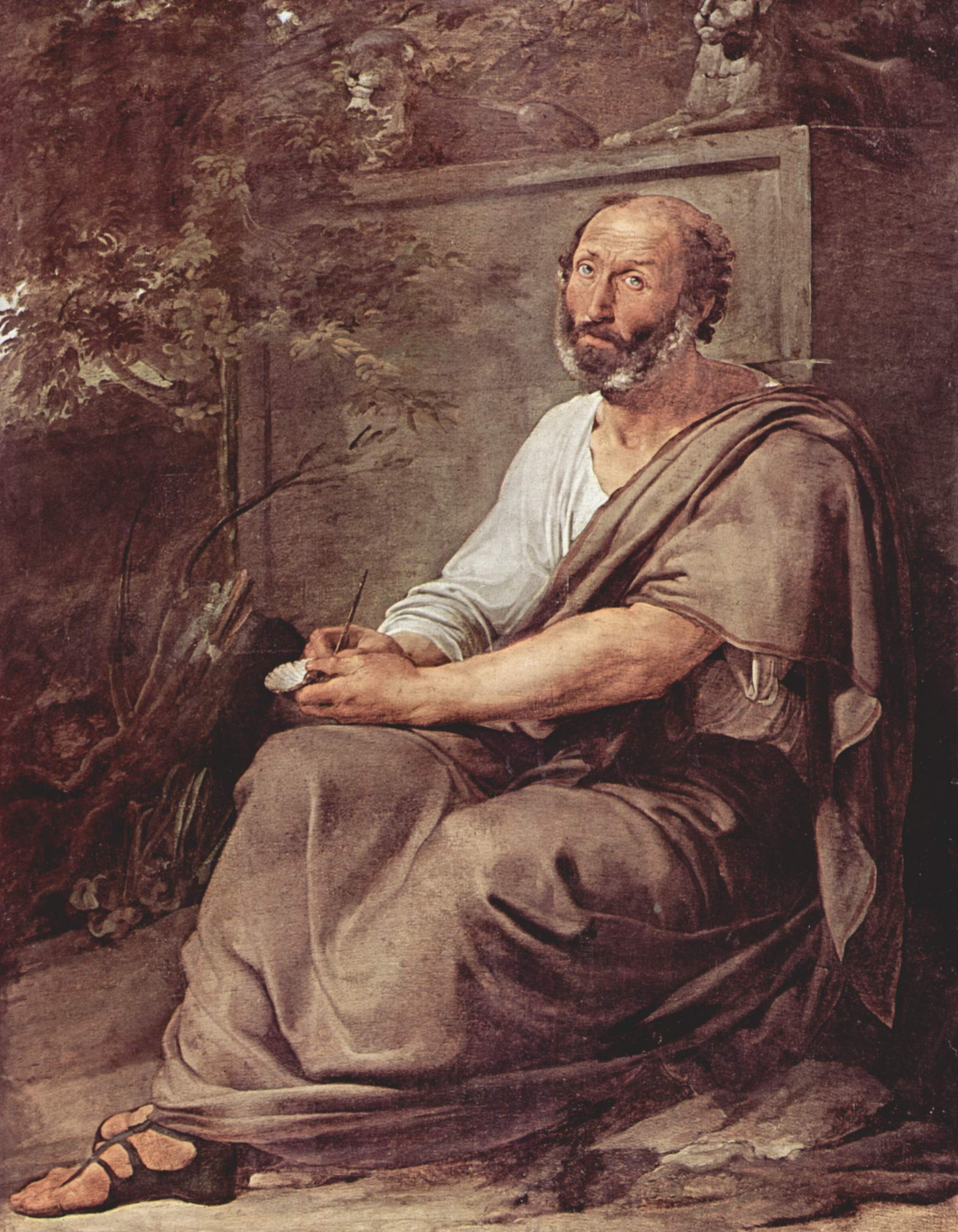
As Aristotle said, “We are what we repeatedly do”.  This proverb is heavily related to the exercise physiology principle, known as S.A.I.D. (Specific Adaptations to Imposed Demands).  The SAID principle states that the body is incredibly adept at making particular alterations to its structure and function in direct response to the type of stress that is placed upon it.  It does this, in order to able to better withstand this stress in the future.  The body makes adaptations in all eight of its systems (skeletal, muscular, cardiovascular, digestive, endocrine (hormones), nervous, lymphatic, and respiratory).

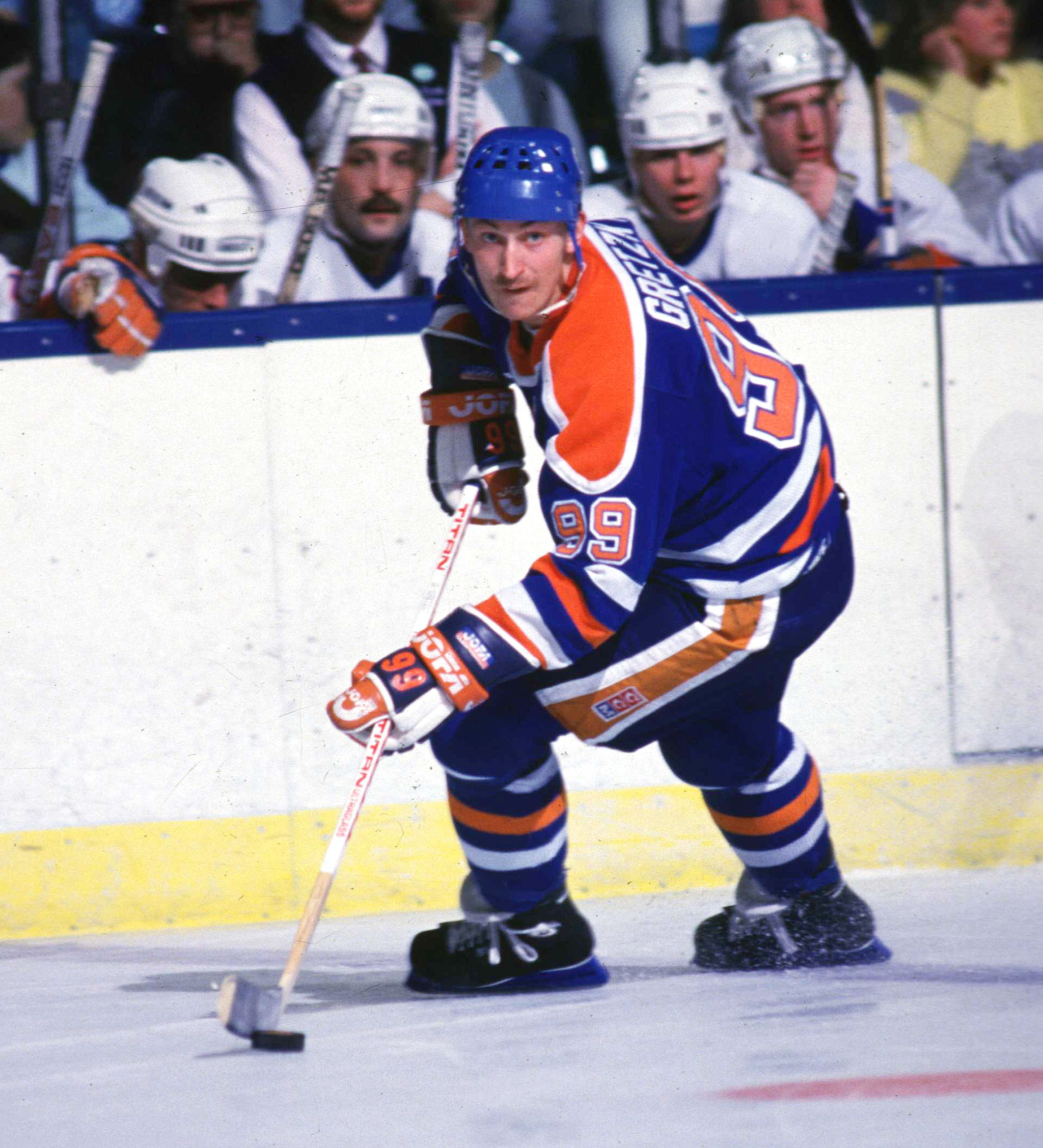
In short, the body gets better at whatever you practice.  Malcolm Gladwell popularized the 10,000-hour-rule in “Outliers”, using Wayne Gretzky, Bill Gates (programming practice), and The Beatles  as examples.  He emphasized that it is those who achieve this number of hours of practice who ultimately become experts in their respective fields, and it is often important how quickly one is able to achieve said number of hours.  Gretzky didn’t accumulate 5,000 hours of hockey practice, and 5,000 hours of dry-land training by the time he was 12.  He accumulated 10,000 hours of hockey practice.

A few notes from Todd Hargrove’s article on the matter: (link Todd Hargrove – SAID article)

  • adaptation is specific.  Mechanical stress on bones leads to thickening and hardening of bones in the area being stressed (+osteoblasts).  Dominant arm of tennis player = larger bones.  Tendon + ligaments thicken and strengthen with resistance training.  Muscular stress leads to bigger muscles, etc.
  • SAID also includes motor-skill learning (throwing, playing the piano).  With piano practice, the neurons responsible for coordinating finger actions will develop faster lines of communication between themselves.  In addition, the memory of such skills are stored in the brain such that they can accessed and executed in a more automated way without any conscious effort or thought
  • If training for a sport, your training stress must be sufficiently specific to ensure “transfer” or “carryover”
  • Failure to improve could be due to a lack of sufficient stress, or too much stress i.e. not allowing the body sufficient time to recover (progresses into a chronic injury)
  • Basic rule with regards to getting better at anything, is to progress in difficulty without getting hurt
  • How much does your training program in the gym carryover to the sport you are training for?  The suggestion is, perhaps not very much.
  • “Righting reflex vs. Titling reflex” – those who train balance on a swiss ball are no better than anyone else at balancing with one foot on the ground.  Different mechanisms at play.
  • Passive stretching as a means to improve your flexibility + prevent hamstring pull?  Studies show no improvement in injury prevention – in fact, makes you slower and less explosive (specificity of movement!).  Stretching is not a specific preparation for soccer.  Much better warmup for injury prevention: soccer-specific movements (cutting, running, etc.) This is the SAID principle at its finest.
  • Cross Training – can we enhance VO2 (oxygen consumption capacity) capacity for cycling by running and vice versa?  Studies show that there is a small carryover.
  • Carryover of cycling to running is week – running is a complex activity.  Example: Lance Armstrong (perhaps greatest biker of all time and co-owner of highest V02 max in history, despite his incredible moral shortcomings), completed a marathon (running) in ~3 hours.  It is a great time for an amateur runner, but nowhere near the time we would expect if aerobic capacity from cycling had a strong carryover to running.

Eccentric Exercise

No, not “eccentric” like your odd sister-in-law or Donald Trump.  Eccentric as in the movement of muscle while it is LENGTHENING under load, as opposed to shortening under load (which would be considered “concentric” exercise).  It was hard to believe that eccentric exercise could actually help with chronic breakdown-type conditions like tendinosis when I first learning about it at McGill 8 years ago or so, but I’ve now seen some good quality research and experienced its effects with clients.

When resting or optimizing movement patterns does NOT help, then repetitive stress injuries i.e. tendinosis (chronic tendinitis in the elbows for example), or plantar fasciitis, might be due to a dysregulation of the healing and repair process in the areas of those injuries.  These conditions could be looked upon as having an alteration in the quality of the tissue, brought on by stress that the body simply was not capable of adapting to.

Aside from rest, the best treatment option might be eccentric exercise.  LILT (low-intensity laser therapy) would most likely be the other best option.  The eccentric exercise causes small amounts of damage that might initiate the healing process, breaking an otherwise “positive feedback loop”, in which pain simply perpetuates.

Colin Badali, RMT, CSCS